


Apartment Parking Policies That Actually Work
A parking policy shouldn’t just exist. It should make life easier for residents, simplify enforcement, and reduce the number of parking complaints your leasing office receives.
Unfortunately, many apartment communities rely on outdated parking policies that are difficult to understand, inconsistently enforced, or no longer reflect how residents actually use parking today. The result is confusion, frustrated residents, and unnecessary administrative work.
Whether you’re creating a new policy or updating an existing one, here’s what every apartment parking policy should include to keep your community organized and your parking lot running smoothly.
Why Every Apartment Community Needs a Clear Parking Policy
Parking is one of the few amenities residents interact with every single day. When expectations aren’t clearly communicated, small issues can quickly become daily frustrations.
A well-written parking policy helps:
- Reduce resident complaints
- Improve parking compliance
- Protect reserved parking spaces
- Keep guest parking available for visitors
- Establish fair and consistent enforcement
- Save staff time spent resolving parking disputes
The goal isn’t simply to enforce rules, it’s to create a parking experience that’s predictable, fair, and easy for everyone to understand.
What Should an Apartment Parking Policy Include?
Every apartment community is different, but effective parking policies typically cover the following areas.
Resident Parking Rules
Clearly explain:
- Who is eligible for resident parking
- How many vehicles are allowed per lease
- Whether residents need parking permits
- Where residents may park
- Rules for oversized or commercial vehicles
If your community uses digital parking permits, explain how residents register and update their vehicles.
Guest Parking Policies
Guest parking is one of the most common sources of resident complaints, making it essential to establish clear expectations.
Your policy should explain:
- Where guests may park
- Whether guests must register before arriving
- How long guests may remain parked
- Whether guest parking permits are required
- Consequences for unauthorized vehicles
When guest parking rules are easy to understand, residents are more likely to comply, and visitors have a better experience.
Reserved Parking
If your community offers reserved parking spaces, your policy should answer questions such as:
- How are reserved spaces assigned?
- Can residents transfer spaces?
- What happens if someone parks in a reserved space?
- How should violations be reported?
Clear guidelines reduce disputes and help residents understand how reserved parking is managed.
Parking Enforcement
Parking policies should clearly explain how violations are handled.
Include information about:
- Warning procedures
- Towing policies
- Fire lane enforcement
- Expired permits
- Unauthorized vehicles
Residents are more likely to accept enforcement when the process is transparent and consistently applied.
Best Practices for Managing Apartment Parking
An effective parking policy is only successful if it’s easy to follow.
Property managers can improve compliance by:
- Providing parking rules during move-in
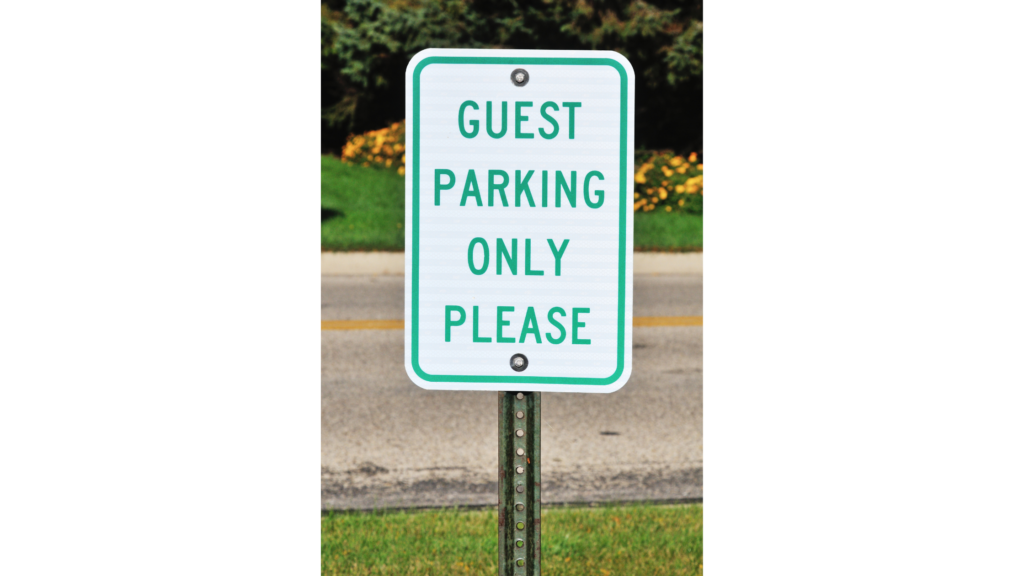
- Posting clear parking signage throughout the community
- Sending reminders before holidays or community events
- Offering simple online registration for resident and guest vehicles
- Reviewing parking policies annually to ensure they still meet community needs
Modern parking management systems can also simplify resident registration, guest parking, and parking compliance while reducing manual administrative work.
Common Parking Policy Mistakes
Many parking policies become ineffective because they’re outdated or overly complicated.
Avoid these common mistakes:
- Using vague language
- Failing to explain guest parking procedures
- Requiring complicated paper permit processes
- Not updating policies as community needs change
- Enforcing rules inconsistently
- Making it difficult for residents to register vehicles
Simple, clearly written policies are much easier for residents to follow.
Frequently Asked Questions
What should an apartment parking policy include?
A comprehensive parking policy should include resident parking rules, guest parking procedures, reserved parking information, permit requirements, enforcement policies, towing procedures, and contact information for parking-related questions.
How do apartment communities manage parking?
Many apartment communities combine clearly written parking policies with digital parking permits, guest registration systems, designated parking areas, and consistent enforcement to improve compliance and reduce resident complaints.
How should guest parking policies work?
Guest parking policies should clearly define where visitors may park, how long they may stay, whether registration is required, and how unauthorized vehicles will be handled.
An apartment parking policy should do more than list rules—it should create clarity.
When residents understand where they can park, how guest parking works, and what to expect if a violation occurs, communities experience fewer disputes and smoother day-to-day operations.
By combining clear communication with modern parking management tools, property managers can improve compliance, reduce administrative work, and create a better parking experience for everyone.
Related Resources
Continue learning with these articles:
About Online Parking Permits
Online Parking Permits helps apartment communities simplify resident and guest parking with digital permit management, online guest registration, and parking compliance solutions designed specifically for multifamily housing.
Whether you’re managing one property or an entire portfolio, our platform helps streamline parking operations, reduce administrative work, and improve the resident experience.
Ready to explore how we can help?